
Monday, 11 January 2010


I'm off

Wednesday, 30 December 2009

Sunday, 27 December 2009
busy with life: Sea Heart School

The Sea Heart School will begin January 20th (the Costa Rican school year runs beginning of February to mid December). We will begin with a kindergarten and a homeschool support group for older children. We chose our name for the sea heart vine (Entada gigas), wishing to have our symbol be something which would connect the forest and the ocean. Sea heart vines grow up through the canopy, they are leguminous and form the longest seed pods in the world. When ripe the pods drop and shatter sending the seeds in all directions. The seeds are very beautiful: a deep brown polished looking woody heart, often they make their way down streams to the ocean where they become one of the most common and attractive drift seeds. Carried across oceans or around the world in currents they wash up on shores as far away as Ireland to be carried home as gifts from the sea. The sea heart connects forest and shore in a wonderful way - as a living and beautiful and heart shaped seed, ready to grow into a thriving, climbing, nitrogen fixing plant! As a world traveler it also symbolizes our children who come from Central, South and North America and Europe. We hope our children will also grow and thrive and be at home in the forest, and the oceans, and are flexible and willing to travel to new destinations and make new discoveries on all levels of their being.
Our school house is very close to the farm, and almost as close to the ocean. It's a small traditional house with a yard that is ready to be painted, planted and loved. Right now it needs work - two walls, a rainwater collection system, repairs, paint, plumbing in the kitchen . . . but I love it, it's full of potential and crying out for the laughter of children. It has a grapefruit tree in the yard full of fruit - perfectly delicious pink fruits.
Thursday, 24 December 2009
Christmas Gluten Free, Liver and Oat Dog Treats!
How would the dogs do on christmas morning without something in their stockings? Not so well I fear.
Here's a nice healthy dog treat to tickle their fancy while everyone else is exchanging gifts. This recipe is gluten free for the sake of our shepherd, Hoss, who has wheat allergies. Any flour can be substituted, I sold these made with wholewheat flour at the farmers' market last week!
1/2 kilo liver (any variety, we use local pig as Hoss is somewhat sensitive to beef)
1 egg
1 grated carrot
1/4 cup oil
3 drops oregano oil or 1 teaspoon dried or 1 tablespoon fresh oregano (good for coats, bad for fleas)
2 cups chickpea flour (or substitute)
1 cup rolled oats


Blend liver into puree with water. Mix in other ingredients, you may need extra flour depending on the amount of water used. Drop cookie dough onto baking sheets. Bake at 350F for 15 - 20 minutes. Store in the fridge. Enjoy!!!!
MERRY CHRISTMAS!

Here's a nice healthy dog treat to tickle their fancy while everyone else is exchanging gifts. This recipe is gluten free for the sake of our shepherd, Hoss, who has wheat allergies. Any flour can be substituted, I sold these made with wholewheat flour at the farmers' market last week!
1/2 kilo liver (any variety, we use local pig as Hoss is somewhat sensitive to beef)
1 egg
1 grated carrot
1/4 cup oil
3 drops oregano oil or 1 teaspoon dried or 1 tablespoon fresh oregano (good for coats, bad for fleas)
2 cups chickpea flour (or substitute)
1 cup rolled oats


Blend liver into puree with water. Mix in other ingredients, you may need extra flour depending on the amount of water used. Drop cookie dough onto baking sheets. Bake at 350F for 15 - 20 minutes. Store in the fridge. Enjoy!!!!
MERRY CHRISTMAS!
Monday, 14 December 2009
christmas
Christmas is almost upon us. One has to try pretty hard to muster christmas in the tropics. Growing up in Scotland I was intensely aware of the dark and the cold and the weight of the year. The solstice and the lights of the christmas tree, the burning fires and candelight, the feeling of anticipation for something more than gifts, the deepness and stillness that comes with snow, the strength of the quietness of those nights. . .
All the things that bring on a mood of reverence and awareness of what is beyond the small things of life have to be sought for anew here where the weather is as always, the light is it's typical 12ish hours and there's no snow for miles and miles and miles.
I'm getting there. I've found an online radio channel that plays what I want to hear for this time (Accu radio). I've made my first batch of mincemeat pies, and today will work on the second. I've made an advent nature table with the 4 kingdoms represented (figuring that the 5th, fungus, is present in all). I'm playing carols on my flute, and yesterday we decorated the tree.


Our christmas tree is a living one, a Norfolk Pine. Norfolk Pines don't grow here, but the farmer has a way with plants and has coaxed this one through several christmases now. It's not your typical christmas tree, the lower branches have been dropped and the bare trunk is decorated with lights and a couple of growing vines. It looks somewhat like a palm with its long slender (very slender) branches radiating out, each set making a 5 pointed star. The set it put out this past year make the tree about 7 foot tall, but luckily the branches sweep down and out, each is lightly festooned with old and handmade decorations.
I'm making several gifts, of wood, glass and wool, trusting that they'll all come together in time. The dogs biscuits will get done today and I've got an order in for pigs' ears with Noity, hopefully they'll have that treat too on the 25th.
We have a big party for friends and neighbours on the 25th and the invitations went out this weekend, we'll have rondon (recipe soon, a traditional dish of coconut fish stew), salads from the garden, christmas pudding and mincemeat pies, plus whatever else is brought to share.
It's all good. I'm slowing sinking into that peaceful center of joy and connection with the greater. All good.
All the things that bring on a mood of reverence and awareness of what is beyond the small things of life have to be sought for anew here where the weather is as always, the light is it's typical 12ish hours and there's no snow for miles and miles and miles.
I'm getting there. I've found an online radio channel that plays what I want to hear for this time (Accu radio). I've made my first batch of mincemeat pies, and today will work on the second. I've made an advent nature table with the 4 kingdoms represented (figuring that the 5th, fungus, is present in all). I'm playing carols on my flute, and yesterday we decorated the tree.


I'm making several gifts, of wood, glass and wool, trusting that they'll all come together in time. The dogs biscuits will get done today and I've got an order in for pigs' ears with Noity, hopefully they'll have that treat too on the 25th.
We have a big party for friends and neighbours on the 25th and the invitations went out this weekend, we'll have rondon (recipe soon, a traditional dish of coconut fish stew), salads from the garden, christmas pudding and mincemeat pies, plus whatever else is brought to share.
It's all good. I'm slowing sinking into that peaceful center of joy and connection with the greater. All good.
Monday, 7 December 2009
ah
It's been a while since I last blogged, it seems I'm otherwise occupied with many varied but hard to pinpoint thoughts, tasks and activities. The farm is entering a more dormant period with the rains and change of light. Here, being 9 degrees north of the equator, we don't experience such dramatic solstices, we still have close to 12 hours a day, but the quality of light is different.
My pumpkins while still flowering will not set. The cranberry hibiscus having put all its energy into flowering is dying back, the malabar spinach is dropping leaves. It's a time to back down, weather the wet and take a moment out of the crazy growing spiral that is the rainforest.
In the orchards the mondu (Garcinia dulcis) is still fruiting, the araza has dwindled to one or two malformed fruits and my beloved champedak is almost done: each harvested fruit smaller and lighter than the last.
We are harvesting vanilla for the first time and I will post about that. And our salak is strong too, today in the kitchen I'll be drying the salak and making mondu jam.
Otherwise we've been busy going back and forth to San Jose for various appointments. We took part in a 'Sustainable and Fair' faire last weekend, it was very good. We were the only vendor there selling dried fruits and cacao and we sold out of everything but jam. It was also a good opportunity to connect with others and we have a couple of new clients from it. There were a lot of craft and artisan vendors selling some really nice things from shoes to masks, and several indigenous vendors selling heirloom grains and medicinals. And all of it fair trade and 'sustainable' (whatever that means). The faire is bi-annual and is by invitation only. I hope we are invited to the next one in May. Oh one more thing, the President was there and bought some jam and fruit from us. Does that make us by presidential appointment?
My pumpkins while still flowering will not set. The cranberry hibiscus having put all its energy into flowering is dying back, the malabar spinach is dropping leaves. It's a time to back down, weather the wet and take a moment out of the crazy growing spiral that is the rainforest.
In the orchards the mondu (Garcinia dulcis) is still fruiting, the araza has dwindled to one or two malformed fruits and my beloved champedak is almost done: each harvested fruit smaller and lighter than the last.
We are harvesting vanilla for the first time and I will post about that. And our salak is strong too, today in the kitchen I'll be drying the salak and making mondu jam.
Otherwise we've been busy going back and forth to San Jose for various appointments. We took part in a 'Sustainable and Fair' faire last weekend, it was very good. We were the only vendor there selling dried fruits and cacao and we sold out of everything but jam. It was also a good opportunity to connect with others and we have a couple of new clients from it. There were a lot of craft and artisan vendors selling some really nice things from shoes to masks, and several indigenous vendors selling heirloom grains and medicinals. And all of it fair trade and 'sustainable' (whatever that means). The faire is bi-annual and is by invitation only. I hope we are invited to the next one in May. Oh one more thing, the President was there and bought some jam and fruit from us. Does that make us by presidential appointment?
Tuesday, 24 November 2009
things to do - really?
time goes by quickly here, and there's always something else ahead of us . . . to just take a moment out to sit and be takes planning - incredible. That needs to change. I need to learn from my surroundings, not get so caught up in rush of fruit and market and visitors and newsletters and ideas and and and . . .
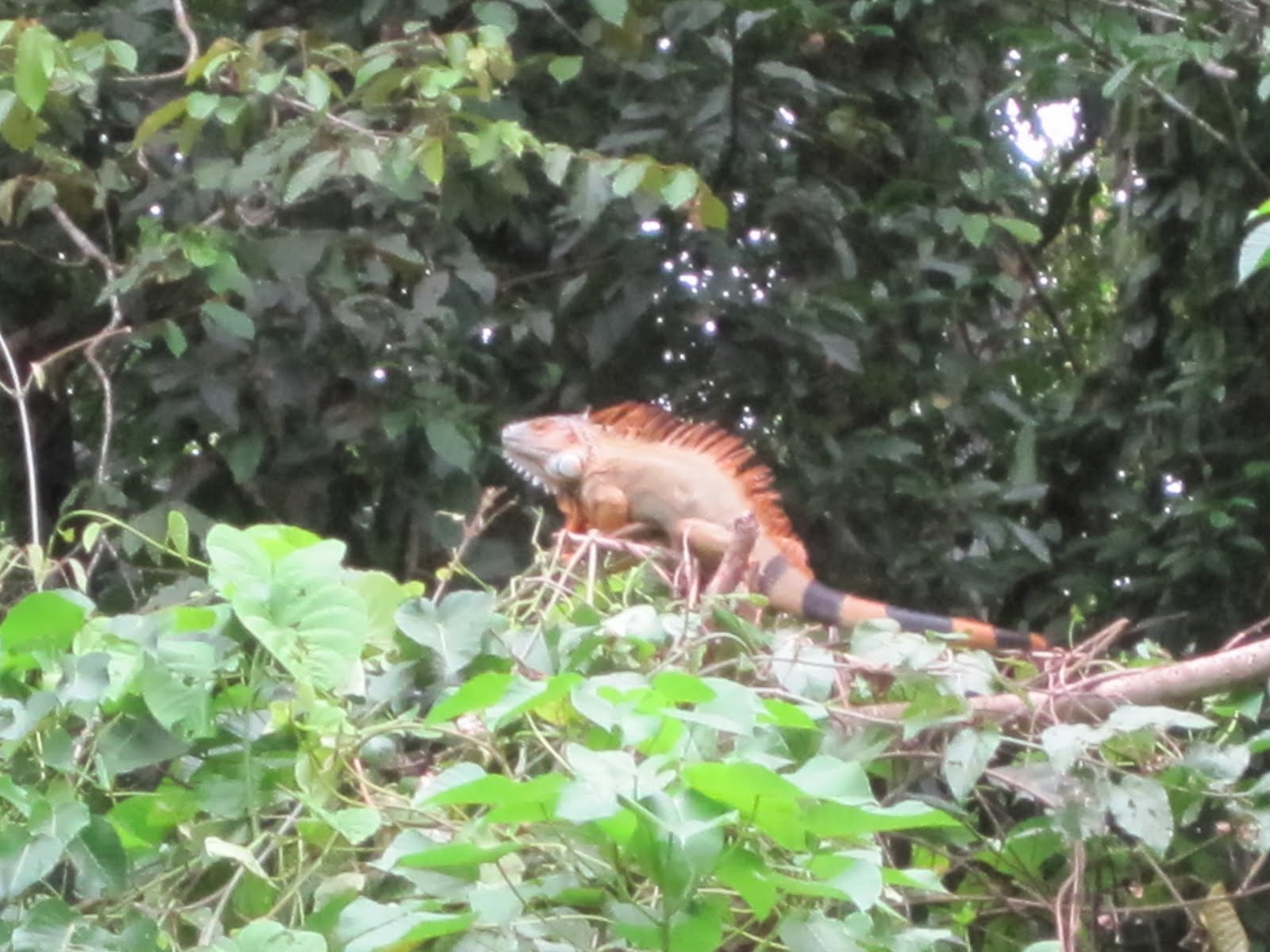
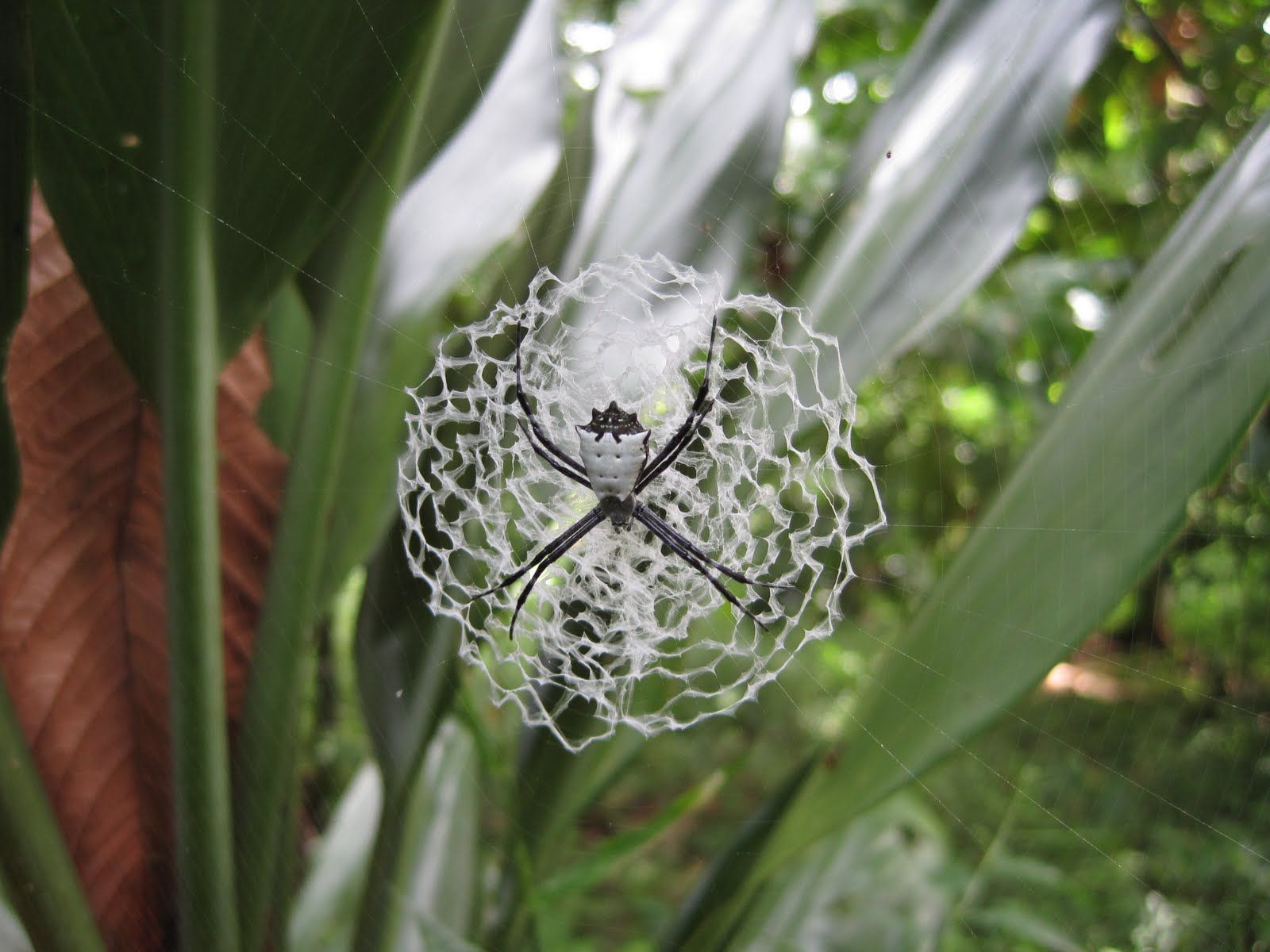
but allow myself, gift myself, a moment to do nothing, but to be. Learn from my neighbours:


but allow myself, gift myself, a moment to do nothing, but to be. Learn from my neighbours:

Tuesday, 17 November 2009
rain
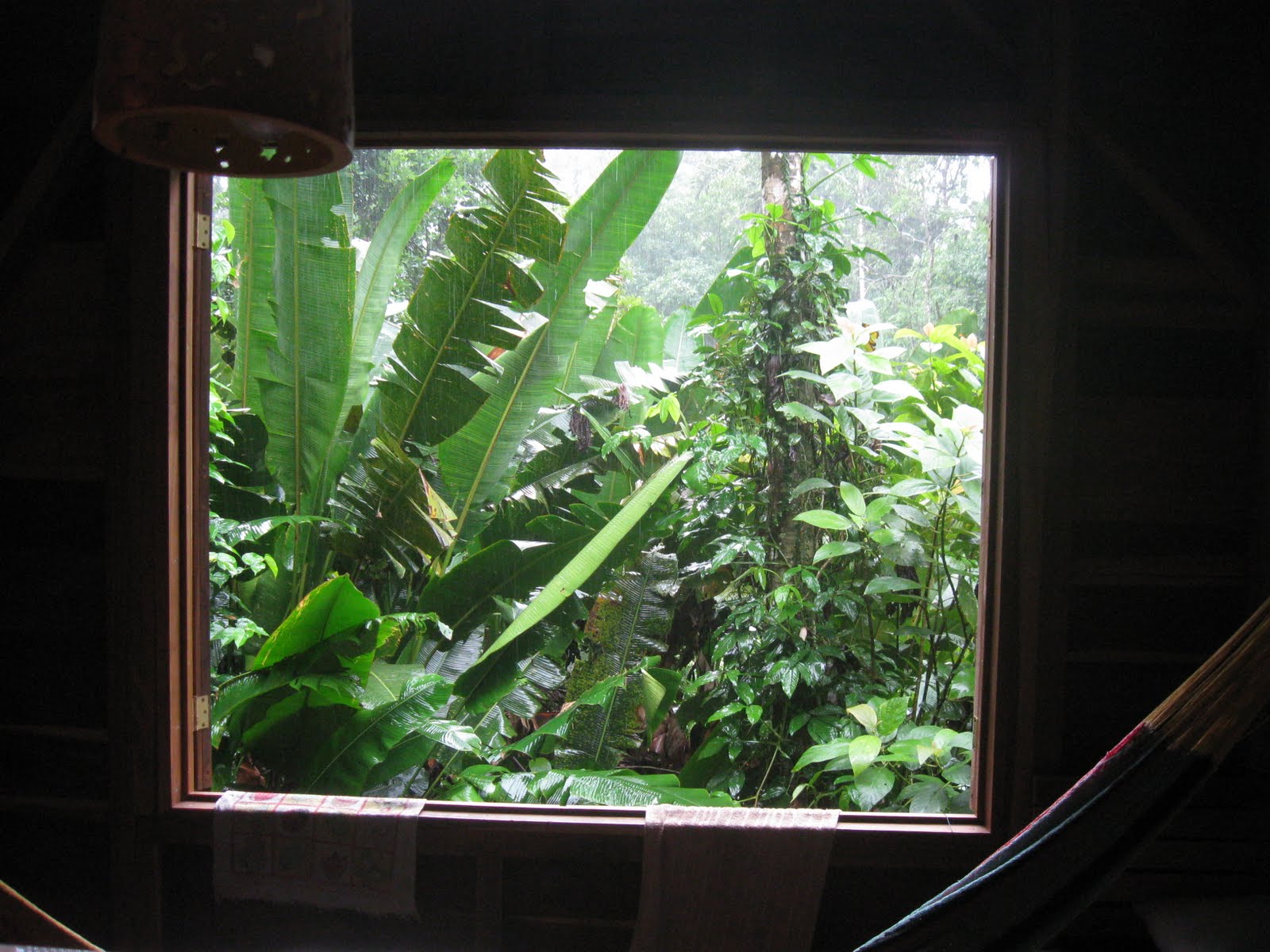
The rains have come. Great sheets of water slicing from the sky, thundering on the tin roof, overflowing the rain barrels, forming great muddy puddles, washing away leaves, twigs, branches and boughs, snarling clumps of debris below the bridge. Sounds like winter, and it would be fun if we could bundle up, close the doors and snuggle into a cozy fireside with mugs of hot cocoa. But no, we live in an open house, barely screened - ideal in the sunshine or showers but wet and damp and chill in these drenching seasons. The two of us and the dogs huddle in corners seeking solace from the drafts and the drifting rain, the floor wet and muddy from dogs who must go outside every once in a while, hardly able to hear ourselves from the noise of the rain on the roof. When the phone rings we must go below the house to where it's quieter.
 rain through the flat windows, click to see the streams pouring from the roof.
The flat where my work kitchen is, is cozier, it has 4 full walls, all the way from floor to roof. The windows are screened, the tin roof is lined with wood. The oven is there. Soon I'll brave the 400 steps down the sodden, slippery hill through wet jungle foliage slapping my face and dripping down my neck, watching my every move as the wooden steps are like ice in this weather, squelching and squishing through the mud. Rain.
 rain through the flat windows, click to see the streams pouring from the roof.
Sunday, 15 November 2009
Paper making workshop
There's more to our farm than just the farmer and myself. Anyone who has visited the website will quickly see that there are others. The others are the farmer's son and his very capable partner, and our 3 and a 1/2 workers. Together we are able to run the farm, garden and some more besides.
One of the besides is CARTS. CARTS is a joint venture between ATEC and the Botanical Garden. CARTS stands for Colectivo Artistico Reciclando en Talamanca por la Sostenibilidad, a Recycled Arts Collective for a Sustainable Talamanca (our area of Costa Rica), and is a collective of women artists working with recycled materials producing unique, useful, artistic pieces.
CARTS is sponsoring free workshops at the farmers' market the second Saturday of each month. Each workshop focuses on an art project with recycled materials. This past Saturday it was paper making with the very capable partner.
Paper making is simple, and it's fun. Take used paper - for example newsprint, old notes, yellow pages, receipts, whatever, and tear into strips then 1 to 2 inch squares. Soak for at least an hour, then whizz in a blender 'til it's the consistency of oatmeal. Pour into a tub with more water and agitate (small leaves, petals, other decorations can be added at this point). Take your screen and deckle and in a smooth movement lower at an angle into the tub, level off and bring up horizontally. Allow the water to drain. Remove the deckle and in another smooth movement invert the screen with the paper pulp onto a waiting piece of felt. Press the paper through the screen to ensure separation then lift the screen. Use a sponge to press - gently - to remove excess water. If you have enough space, the paper can be left to dry further on the felt. If not transfer to newsprint and place in the sun or somewhere airy to dry. For best results place weights on the paper to improve writing texture and form.
The workshop took place in the middle of the market space to a good sized audience of adults, a child or two, and stall holders. The participants ranged from complete novices to those who had experience and were there for the fun of helping and making. Some of the locals had never seen paper made before and were impressed at how easy it was with recycled paper - part of the purpose of these workshops is to encourage re-use and recycling (two concepts oddly new to this culture which is quickly becoming as throwaway as the US and Europe ever was). It was a successful workshop with people proudly leaving supporting freshly made sheets decorated with petals, leaves and coloured print.
December's workshop will be baskets made from tetrabrik, January I'll give a workshop on purses crotcheted from plastic rice and sugar bags. CARTS is putting together a catalogue of products, I'll try to link it to this blog.
One of the besides is CARTS. CARTS is a joint venture between ATEC and the Botanical Garden. CARTS stands for Colectivo Artistico Reciclando en Talamanca por la Sostenibilidad, a Recycled Arts Collective for a Sustainable Talamanca (our area of Costa Rica), and is a collective of women artists working with recycled materials producing unique, useful, artistic pieces.
CARTS is sponsoring free workshops at the farmers' market the second Saturday of each month. Each workshop focuses on an art project with recycled materials. This past Saturday it was paper making with the very capable partner.
Paper making is simple, and it's fun. Take used paper - for example newsprint, old notes, yellow pages, receipts, whatever, and tear into strips then 1 to 2 inch squares. Soak for at least an hour, then whizz in a blender 'til it's the consistency of oatmeal. Pour into a tub with more water and agitate (small leaves, petals, other decorations can be added at this point). Take your screen and deckle and in a smooth movement lower at an angle into the tub, level off and bring up horizontally. Allow the water to drain. Remove the deckle and in another smooth movement invert the screen with the paper pulp onto a waiting piece of felt. Press the paper through the screen to ensure separation then lift the screen. Use a sponge to press - gently - to remove excess water. If you have enough space, the paper can be left to dry further on the felt. If not transfer to newsprint and place in the sun or somewhere airy to dry. For best results place weights on the paper to improve writing texture and form.
The workshop took place in the middle of the market space to a good sized audience of adults, a child or two, and stall holders. The participants ranged from complete novices to those who had experience and were there for the fun of helping and making. Some of the locals had never seen paper made before and were impressed at how easy it was with recycled paper - part of the purpose of these workshops is to encourage re-use and recycling (two concepts oddly new to this culture which is quickly becoming as throwaway as the US and Europe ever was). It was a successful workshop with people proudly leaving supporting freshly made sheets decorated with petals, leaves and coloured print.
December's workshop will be baskets made from tetrabrik, January I'll give a workshop on purses crotcheted from plastic rice and sugar bags. CARTS is putting together a catalogue of products, I'll try to link it to this blog.
Thursday, 12 November 2009
butterfly
I'm drying papaya seeds so that I can sprout them for salad mixes. The fermenting fruit attracts butterflies, wasps, bees, all sorts of visitors. Here's an owl (thanks Mike) butterfly from the side you rarely see.


Monday, 9 November 2009
My new guide book!
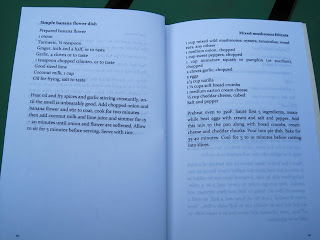
Here's a few sample pages from my guide book to growing and gathering food in lowland Costa Rica. There's 68 pages of information and recipes on what grows here and what to do with it. It was really fun to write and I'd like to do some more, perhaps leaflets on cacao, black pepper, nutmeg - things that grow here on the farm, maybe a medicinal guide to very local plants, maybe a plant lore book . . . the list goes on of all the things I can do with all the free time I have (?). I want to print the book for sale at the farmers' market and in town, and also offer it online as a pdf file. Quite pleased with it!
click the photos for a closer look



click the photos for a closer look


Wednesday, 4 November 2009
jammin', with fudge
After a long hiatus I made some araza jam this morning. There's a small season starting and I was able to pick 2/3rds of a bucket of fruit to make 11 jars of what has become our signature jam. I also found just enough nutmeg to make two jars of nutmeg butter. What incredible smells filled the kitchen! Especially as we were also slicing ginger and processing black pepper.
I've been trying to make fudge these last two days. Back in the US, my class would make and sell fudge by the caseload for Christmas fairs. We could knock out fudge like no-one else and had all the packaging and presentation - and sales talk - down to a tee. But this is the first time I've tried it in three years and the recipes from up north don't work so well due to temperature and humidity differences, plus the farmer won't eat butter (!). And there's the caveat that everything we offer at the farmers' market comes from the farm. So. Here's my new recipe:
Coconut Chocolate Fudge
one serving (enough for 4 people after dinner treat)
1 1/2 cups sugar
1/4 cup coconut oil
2/3 cup coconut milk
1/2 cup powdered cacao
1/4 teaspoon vanilla
Melt oil, milk and sugar together in heavy bottomed pan, bring to boil and boil until it reaches the soft ball stage. Remove from heat and stir in vanilla. Wait for 5 minutes then stir in powdered cacao. Wait 5 more minutes then beat until mixture loses its glossiness. Pour into silicon mold (or onto greased parchment paper). Allow to cool before eating (if possible). The cacao and coconut milk comes from the farm, the oil came from Bastimentos Island, the vanilla from Mexico (but soon from our farm) and the sugar from the store. No photos, we ate it before I had the chance to bring out the camera.
I've been trying to make fudge these last two days. Back in the US, my class would make and sell fudge by the caseload for Christmas fairs. We could knock out fudge like no-one else and had all the packaging and presentation - and sales talk - down to a tee. But this is the first time I've tried it in three years and the recipes from up north don't work so well due to temperature and humidity differences, plus the farmer won't eat butter (!). And there's the caveat that everything we offer at the farmers' market comes from the farm. So. Here's my new recipe:
Coconut Chocolate Fudge
one serving (enough for 4 people after dinner treat)
1 1/2 cups sugar
1/4 cup coconut oil
2/3 cup coconut milk
1/2 cup powdered cacao
1/4 teaspoon vanilla
Melt oil, milk and sugar together in heavy bottomed pan, bring to boil and boil until it reaches the soft ball stage. Remove from heat and stir in vanilla. Wait for 5 minutes then stir in powdered cacao. Wait 5 more minutes then beat until mixture loses its glossiness. Pour into silicon mold (or onto greased parchment paper). Allow to cool before eating (if possible). The cacao and coconut milk comes from the farm, the oil came from Bastimentos Island, the vanilla from Mexico (but soon from our farm) and the sugar from the store. No photos, we ate it before I had the chance to bring out the camera.
'making' black pepper

The farmer has been producing organic black pepper for over twenty years here on the farm. Pepper was introduced as an alternative cash crop for cacao plantation farmers after the cacao blight destroyed farm incomes throughout this region. We are the only people still producing black pepper in this area. The pepper is marvelous: we sell to tourists at the garden and to locals and restaurants alike, the farmer receives emails regularly from all over the world asking for more of that "wonderful pepper we bought on holiday". People living here take it as a gift on their journeys and those who visit regularly stock up on pepper for their time back home. We mill just enough each Friday night to sell at the market on Saturday mornings, and we always sell out. It's just so good: fresh, hot, bright, clean, crisp, pure . . . organic, excellent!
The black pepper plant (Piper nigrum) is a flowering vine native to India. Once the most expensive spice on earth, once more expensive weight for weight than gold, it was the main push behind the sea race to India (and hence responsible for the discovery of the Americas!).
The plant is grown on trees, stakes or trellises, here we use Madera Negra sticks which root and sprout branches giving some shade and protection. Madera Negra is leguminous and fixes nitrogen in the soil, thereby providing a nitrogen source for the pepper vines. We propagate through air-layers, production of fruit begins within a year, but for solid production we wait two years. pepper can be harvested throughout the year, though the main harvest comes in September through November.
Black (and green) peppercorns are produced from the unripe whole berries of the pepper plant. Each berry contains a single seed, covered by a very thin layer of pulp and skin. It is the skin and pulp which gives the colour and the special taste to black pepper. We pick our pepper when the seed is developed and cannot be squished flat between the finger and thumb. Berries ripen from the top of the stalk down, so we always try to squish the bottom berries to check for readiness.
White peppercorns are produced from the ripe berries. Ripe berries are red in colour, to produce white peppercorns the berries are soaked in water for a week until the flesh ferments and falls from the seed. the seed is then dried - this dried seed is a white peppercorn. We don't produce white peppercorns, just the black (although for our French and Italian clients we sometimes supply fresh green peppercorns).
To make black pepper first pick the perfect pepper.

Boil in water for 4 minutes, or thereabouts. The boiling cleans the pepper and begins to break down cell walls allowing the pepper to change colour from green to black.

After boiling, the hot pepper is rubbed across a mesh to separate the berries from the stems.

The stems are used as mulch.

The blackening berries are left to dry in the sun.

Tuesday, 3 November 2009


Subscribe to:
Comments (Atom)